
Visual redesign
Led a redesign to better align the product’s look and feel with its target audience.
Our product, SMARTBROKER+, is a German neobroker that combines full-service brokerage with the speed and simplicity of modern trading apps.
My work spans customer research, UX strategy, interface design and user validation, combining team leadership with hands-on product design.
I guide the team toward strong product outcomes, lead initiatives of my own, and stay hands-on with design. The projects below show that work up close.
Led a redesign to better align the product’s look and feel with its target audience.
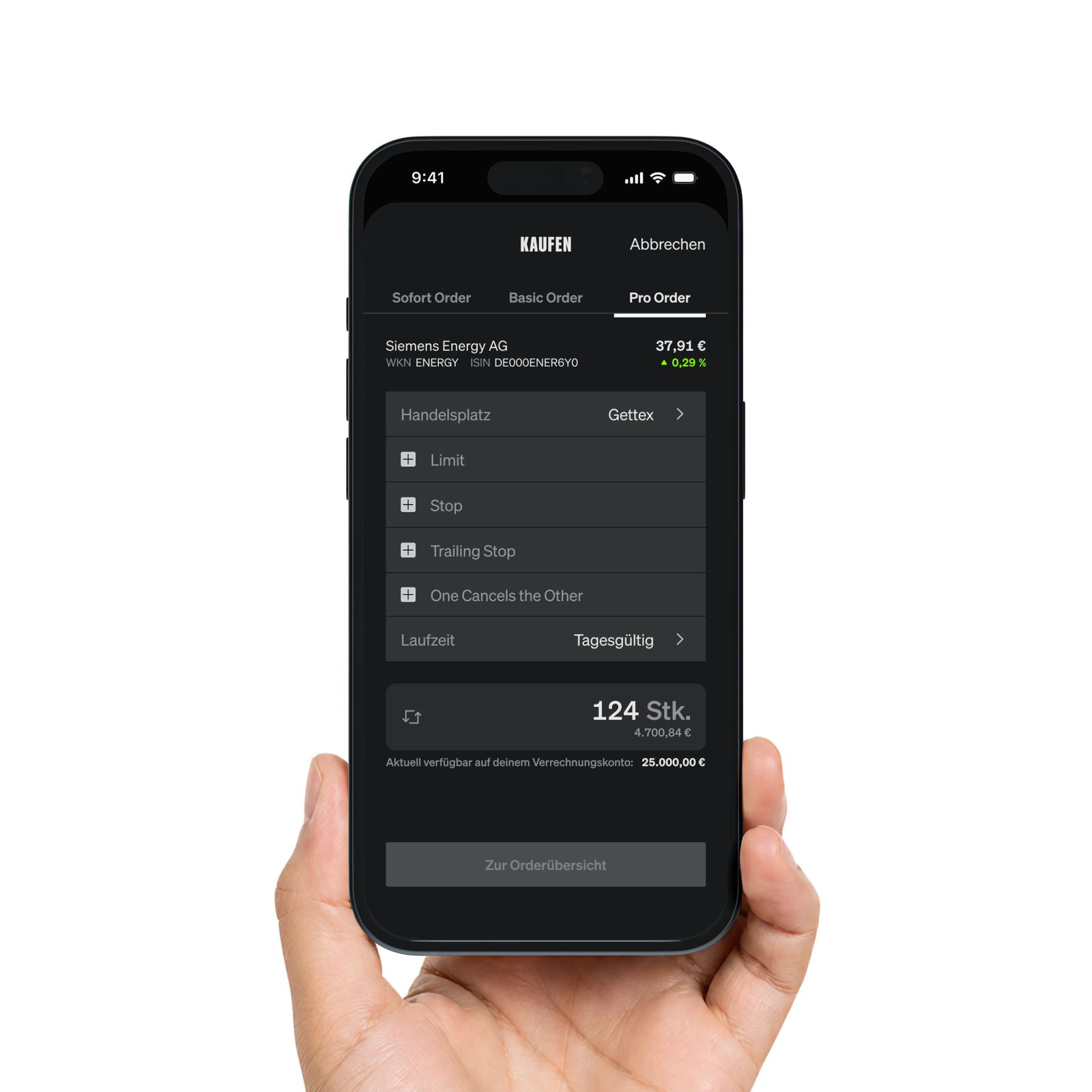
Designed and beta-tested order types like Trailing Stop Loss and One Cancels the Other.

Redesigned the portfolio view, including how holdings are displayed and sorted.

A dedicated investment account for long-term retirement saving.

Led a portfolio export feature in response to customer requests.
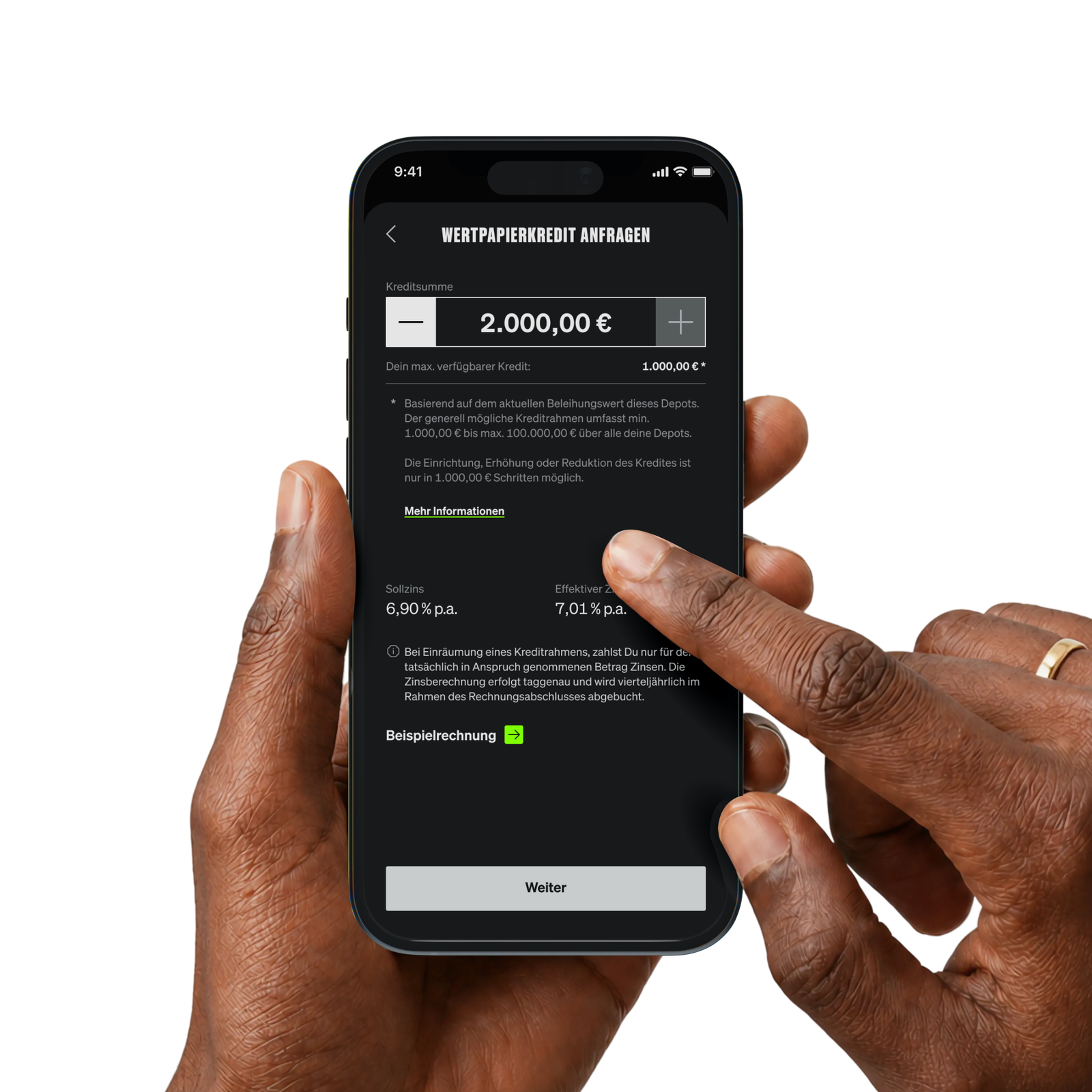
Led user interviews, usability testing and a large beta test for the lending experience.

Our product team at Smartbroker AG always has open roles. Check out open roles here.
I guide the team toward strong product outcomes, lead initiatives of my own, and stay hands-on with design. The projects below show that work up close.
Designed and beta-tested order types like Trailing Stop Loss and One Cancels the Other.
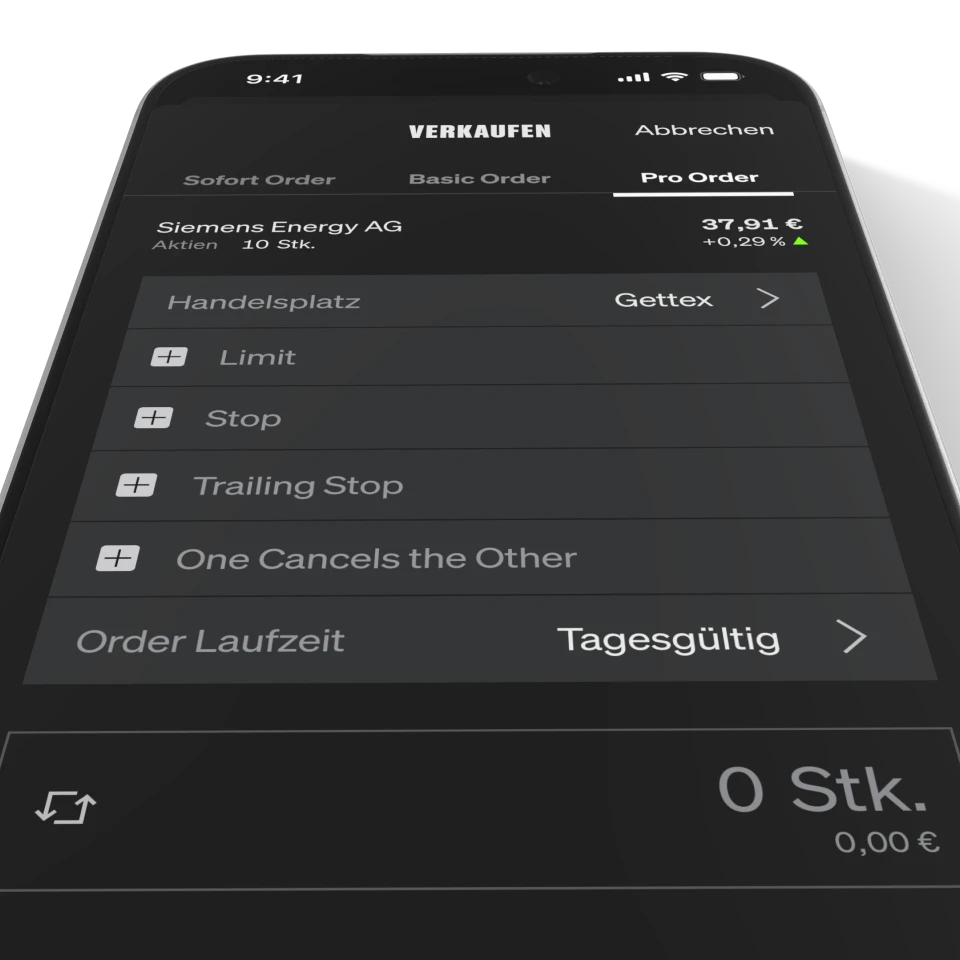
Led a redesign to better align the product’s look and feel with its target audience.
Redesigned the portfolio view, including how holdings are displayed and sorted.
A dedicated investment account for long-term retirement saving.
Led a portfolio export feature in response to customer requests gathered through Voice of Customer.
Led user interviews, usability testing and a large beta test for the lending experience.

Explore the live product to see more of the brokerage experience.
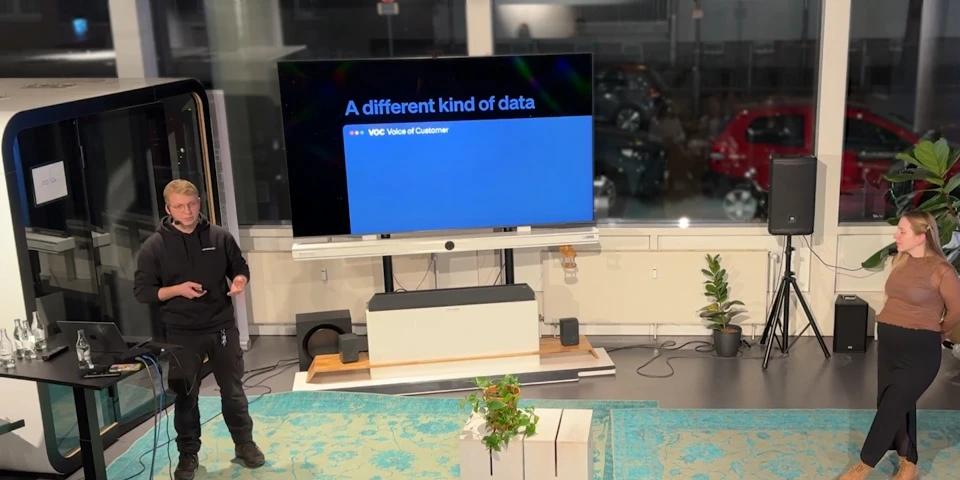
VOC serves as our central hub for gathering, structuring, and analysing user feedback. It brings together insights from several sources:
This mix allows us to identify recurring themes and pain points with a level of precision that pure analytics can’t provide.
Beyond quantitative data, VOC also captures qualitative research. That combination helps us understand not just what users are saying, but why they feel that way and what specifically they want when asking for new features or improvements for existing ones.
Over time, VOC has become an integral part of how we plan and prioritise our roadmap. It ensures that design and product decisions stay grounded in real user needs rather than assumptions or internal preferences.
Titled Trading in the capital casino - How design can act as an influencer on the capital market, I investigated the influence user interfaces have on risk behaviour in modern trading apps.
My thesis was simple and yet very hard to prove: Modern neobrokerage interfaces lead their users into taking risks—meaning trades—by using interface methods, for example gamification.
Unfortunately, the thesis is protected by an NDA and I can’t share it in full here, but here’s the abstract:
“This master thesis investigates the influence of interfaces on the risk behavior of investors in modern trading apps. The design of the interfaces of neobrokers can lead investors to passively execute trades that do not fit their investment strategy. A combination of the increasing popularity of neobrokers and the fundamentally growing interest in the capital market creates a potential influence on the risk behavior of many millions of investors.
To answer the research question about the potential influence, an analysis of seven trading apps of neobrokers available on the German market was conducted. A following comparison shows a discrepancy between the information offered in trading apps and the information actually needed for healthy and conscious trading.
The results show that, through the use of gamification and other design methods, investors are passively enticed to adopt riskier trading behaviors than their investment strategy envisages. The lack of hurdles before buying a security results in investors not having the opportunity to think through and consciously make an investment strategy.
As a proposed solution, seven design drafts were created in the form of click prototypes that use friction to create a hurdle for conscious action. In usability tests with test persons from the target group, four designs are identified that can demonstrate a concrete influence on the risk behavior of investors.
These designs can be a basis for interface models that focus on the legally required consumer protection for capital investors. The designs can also be used in particularly vulnerable contexts on the capital market, such as junior custody accounts.”
In almost two years, I’ve worked on so many projects that I can’t count them—literally, I didn’t keep track. Smart Mobile Factory was* a software development agency in Berlin that focused on, as the name suggests, development for both iOS and Android.
*Unfortunately, they closed down a few years later.
Gunning through pitches, concepts, designs, iterations, tests, and presentations each week left no time for slow learning curves.
I also had the chance to set up the entire, internal process regarding usability testing. Besides implementing usability tests with our users, I introduced the importance of these tests to the entire company.
Part of that effort was a talk I gave in February 2020, explaining to our PMs and devs why they aren’t their users.
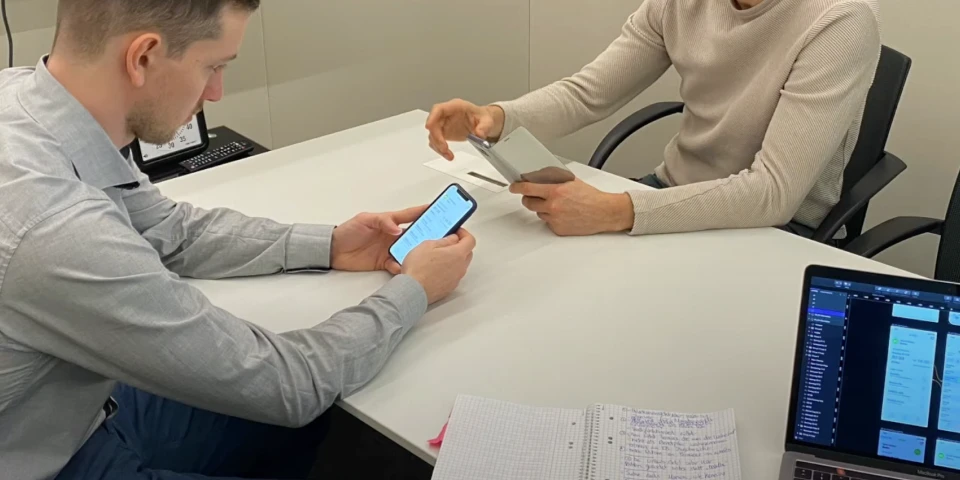
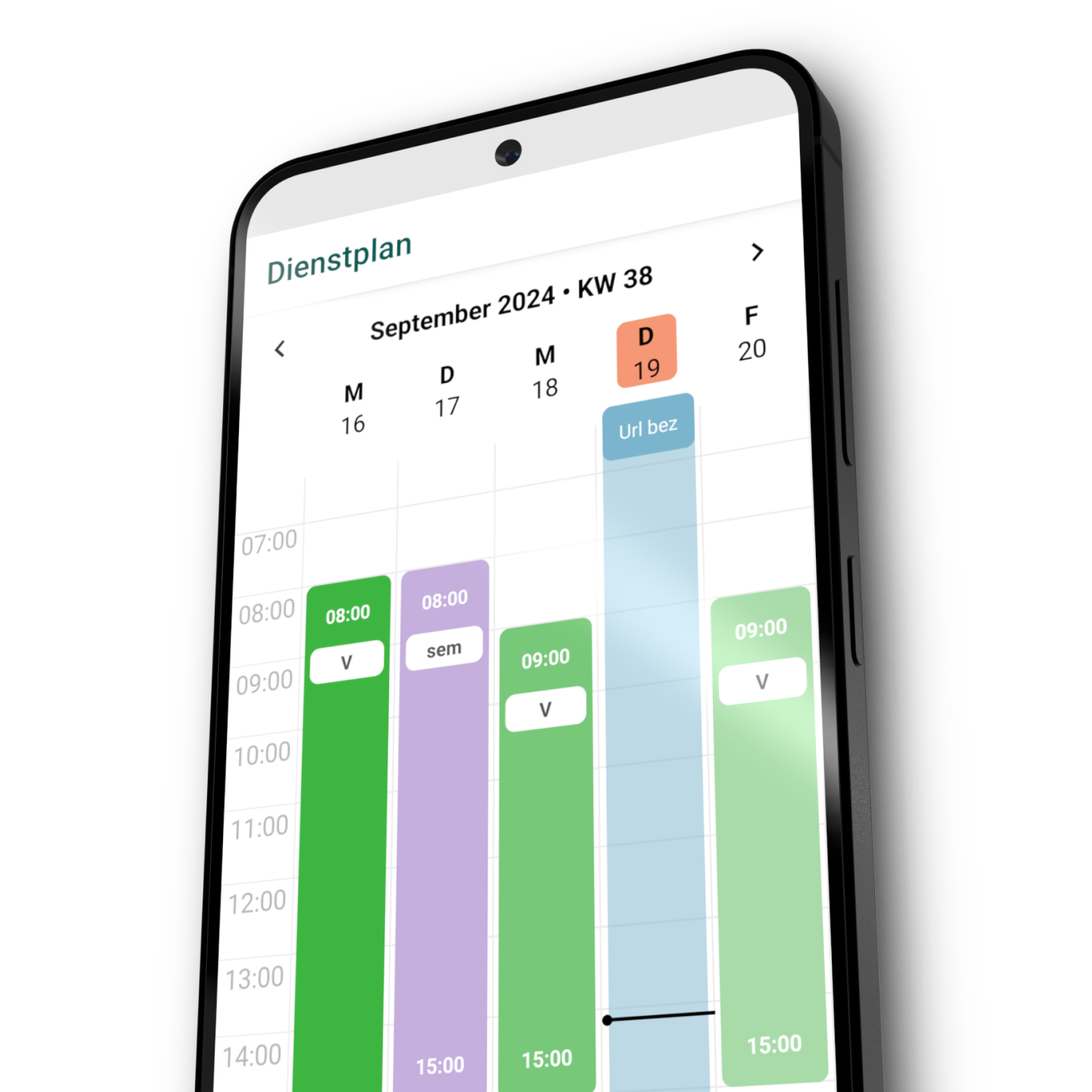
FRÖBEL is Germany’s largest daycare provider with around two hundred facilities and over four thousand employees. After we won a pitch at the end of 2019, I was the sole designer for the app.
Unfortunately, COVID-19 was in full force once I got to the user- and usability testing part, so all of that happened online. But these interviews were still enlightening: I was shown live by the educators in their daycare centers what the problems are with the current processes and what relief they hope our digital solution will bring.
With the help of these interviews, I was able to develop the design concept into a technical concept and focus on the actual problems faced by FRÖBEL employees.
The app makes a lot of things easier in everyday working life: time recording, sick notes, vacation requests; Everything that was previously difficult and complicated in analogue was recorded, analyzed and translated into digital in an improved manner.
In 2023 and again in 2025, I returned to my alma mater as an associate lecturer in the Interface Design program.
My courses center on bridging theory and practice, using real-world examples to ground design concepts in everyday product work.